
Understand Why Orchestral Elements Still Matter
Modern music production has changed dramatically, but orchestral sounds continue to play an important role across many genres. You can hear strings in pop songs, brass in hip-hop, cinematic percussion in trailers, choirs in electronic music, and piano arrangements in everything from indie recordings to film scores. These sounds can add emotion, movement, atmosphere, and scale without changing the identity of the original track.
The important thing is not to make every production sound like a traditional orchestral composition. Instead, orchestral instruments can be treated as creative colors. A few carefully placed strings can make a chorus feel more emotional, while a short brass phrase can add energy to a transition. Even a subtle orchestral texture underneath an electronic arrangement can make the production feel larger.
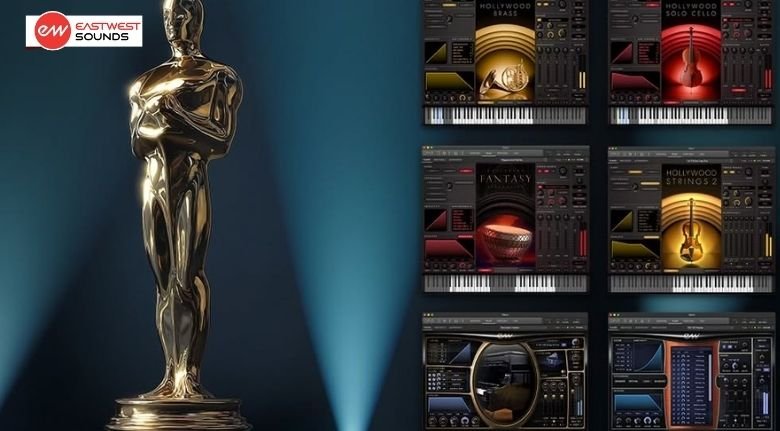
Soundsonline gives composers and producers access to a broad selection of orchestral instruments that can be incorporated into contemporary projects. Its catalog includes strings, brass, woodwinds, percussion, piano, choir, and other sounds that can work across different musical styles.
This makes orchestral production accessible even when you are not working with a live orchestra. Instead of arranging a physical ensemble for every project, producers can experiment with virtual instruments and gradually develop their own approach to combining acoustic and modern sounds.
Use Strings to Create Movement and Emotion
Strings are among the most flexible orchestral elements available to modern producers. They can sound intimate and delicate in one arrangement and powerful and dramatic in another. This versatility makes them useful for everything from singer-songwriter productions to cinematic music.
A common mistake is to treat strings as something that should simply play long notes underneath the main melody. While sustained chords can work beautifully, strings can also create movement through rhythmic patterns, short articulations, repeated notes, harmonies, and countermelodies.
Soundsonline offers dedicated string libraries as well as larger orchestral collections, allowing producers to work with different sections and performance styles. A composer might use a small string arrangement to support a vocal performance or build a much larger ensemble for a cinematic climax.
One effective technique is to introduce strings gradually. Instead of bringing the entire section into the first verse, start with a subtle texture and add additional instruments as the song develops. Violins can enter during a pre-chorus, lower strings can reinforce the bass movement, and the complete section can arrive during the final chorus.
This approach creates a sense of progression without requiring dramatic changes to the underlying song.
Another useful technique is to experiment with register. High strings can create brightness and tension, while lower strings can provide warmth and weight. Combining different registers can make a simple chord progression feel much more sophisticated.
Add Brass for Power and Character
Brass instruments can completely change the personality of a production. Trumpets, trombones, French horns, and other brass instruments can bring strength, excitement, warmth, or dramatic intensity depending on how they are arranged.
They are particularly effective when used selectively. Instead of keeping brass playing throughout an entire track, consider using short phrases to emphasize important moments. A brass hit can make a transition more powerful, while a sustained horn line can add emotional depth behind a melody.
Soundsonline’s orchestral collections include dedicated brass instruments and larger cinematic libraries, giving producers different ways to incorporate these sounds into their arrangements.
Brass can also work surprisingly well in genres that are not traditionally associated with orchestral music. A hip-hop beat can gain additional character from a low brass layer. An electronic track can use processed horns as rhythmic accents. A pop chorus can become more energetic with carefully arranged trumpet or horn lines.
The secret is to think about brass as part of the arrangement rather than as an isolated effect.
Pay attention to dynamics as well. A brass section that remains at the same intensity throughout a song can quickly become tiring. Allowing the instruments to build, fall back, and return at important moments creates a more natural musical journey.
Combine Acoustic and Electronic Textures
One of the most exciting possibilities in modern production is combining orchestral instruments with electronic sounds. These two worlds do not have to compete. When carefully balanced, they can make each other more interesting.
Imagine a track beginning with a soft synthesizer pad. A subtle string section enters underneath the melody, followed by electronic percussion. As the arrangement develops, low brass and cinematic percussion appear during the climax. The result can feel both contemporary and expansive.
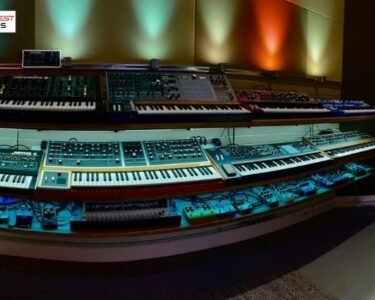
Soundsonline’s collection extends beyond traditional orchestral instruments, with synthesizers, drums, cinematic textures, and other production-oriented sounds that can be combined with acoustic libraries.
Layering is especially useful when you want to create a sound that does not belong entirely to one musical category. For example, a low synth bass can reinforce the weight of orchestral cellos and basses, while electronic percussion can sit underneath acoustic drums or orchestral hits.
However, layering too many sounds can make a mix crowded. Start with the simplest combination possible and add elements only when they contribute something meaningful.
Frequency management also matters. If a synth pad, strings, piano, and vocals all occupy similar frequencies, the arrangement may lose clarity. Adjusting the register, dynamics, and arrangement of each instrument can create enough space for every element to remain recognizable.
The goal is not to hear every layer independently. The goal is to make the complete production feel richer.
Turn Percussion Into a Storytelling Tool
Percussion is often associated with rhythm, but cinematic percussion can also help communicate scale and emotion. A carefully placed drum hit can make an important moment feel larger, while a gradual rhythmic build can create anticipation before a chorus or climax.
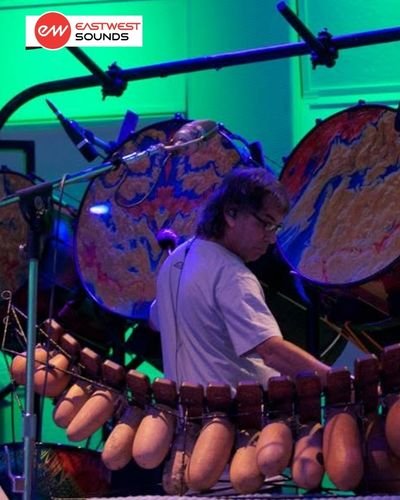
Soundsonline provides access to orchestral percussion and cinematic percussion instruments that can be used for both traditional scoring and modern productions. These sounds can be particularly effective in trailers, game music, dramatic transitions, and hybrid electronic compositions.
One approach is to treat percussion as part of the arrangement’s emotional progression. A track might begin with minimal rhythmic activity, introduce subtle percussion during the middle section, and then use larger impacts during the final section.
You can also combine different percussion types. Low drums can provide weight, while smaller percussion instruments add movement and detail. Metallic or unusual percussion sounds can create atmosphere without taking over the rhythm.
Timing is important too. Not every impact needs to land directly on the strongest beat. Slightly unexpected placements can create tension and make transitions feel less predictable.
When working with virtual percussion, experiment with velocity and dynamics instead of triggering every sample at the same intensity. Variation can make programmed parts feel more expressive and less mechanical.
Use Choir and Piano to Change the Emotional Tone
Not every orchestral addition needs to be dramatic. Piano and choir can introduce completely different emotional qualities depending on how they are used.
A piano can act as the central instrument in a composition or provide a quiet harmonic foundation underneath other elements. A simple piano pattern can make a dense electronic production feel more human, while a larger piano arrangement can carry an entire cinematic passage.
Soundsonline includes piano libraries alongside its orchestral and cinematic collections, giving producers options for both intimate and large-scale arrangements.
Choirs offer another distinctive texture. Even a short vocal layer can make a production feel atmospheric, mysterious, spiritual, dramatic, or epic. Rather than using a choir constantly, consider introducing it at a specific emotional point in the arrangement.
For example, a quiet vocal texture could appear behind the final chorus and disappear again afterward. This creates a sense of arrival without overwhelming the main vocal or melody.
The combination of piano, choir, strings, and electronic textures can also be extremely effective for soundtrack-style music. These instruments can occupy different roles while contributing to a unified emotional direction.
When arranging these sounds, always ask what the listener should feel at a particular moment. Technical decisions become much easier when they are connected to an emotional purpose.
Develop Your Own Hybrid Production Style
The most interesting modern productions often come from combining influences rather than following one musical formula. A producer does not need to choose between electronic and orchestral music, traditional instruments and synthesizers, or acoustic realism and experimental sound design.
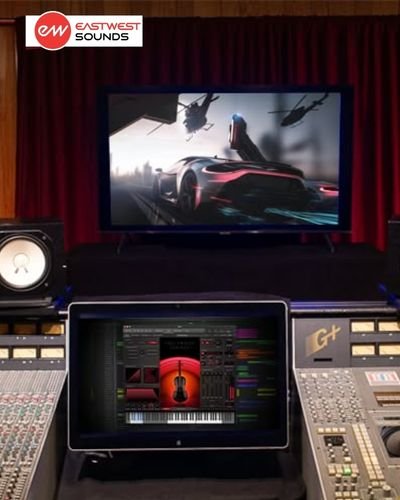
Soundsonline provides a broad environment for exploring these combinations. Instead of thinking about its instruments as separate categories, consider them as a palette from which you can build your own sound.
Start with one musical idea. Add a piano if the harmony needs definition. Introduce strings if the melody needs emotion. Use brass when the arrangement requires strength. Add percussion when the section needs momentum. Bring in electronic textures when you want a modern edge.
This approach is more effective than adding instruments simply because they sound impressive individually.
It is also worth saving combinations that work well together. If a particular string patch, piano sound, percussion layer, and synthesizer consistently produce the type of atmosphere you like, turn that combination into part of your personal workflow. Over time, these choices can become recognizable characteristics of your music.
The technology should support the creative decision, not make the decision for you.
Whether you are producing pop, electronic music, hip-hop, game audio, advertising music, or cinematic scores, orchestral instruments can give your productions another dimension. Soundsonline makes it possible to explore these sounds without needing access to a physical orchestra, allowing independent musicians and composers to experiment with arrangements that might otherwise be difficult to create.
The most powerful results usually come from restraint. One carefully chosen string line can sometimes create more emotion than a dozen unnecessary layers. A short brass phrase can make a transition memorable. A quiet choir can completely change the atmosphere of a final section.
Experiment with different combinations, listen critically, and focus on the emotion behind each musical decision. With time, orchestral sounds can become more than additional instruments in your collection—they can become an important part of your individual production style.