
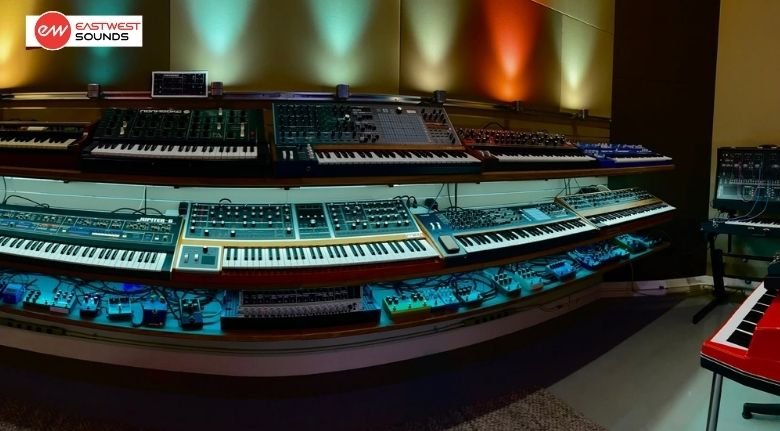

Start With the Music You Actually Want to Create
Building a professional music production setup can quickly become expensive. New producers and composers are often surrounded by recommendations for microphones, controllers, plugins, sample libraries, effects, synthesizers, monitors, and countless other tools. The problem is that buying everything at once does not necessarily make the creative process better. A smarter approach is to understand what you actually want to create and build your setup around those goals.
Someone producing electronic music may need very different sounds from a composer creating orchestral scores. A songwriter might prioritize realistic piano, guitar, drums, and vocal production, while a film composer may need strings, brass, woodwinds, percussion, choir, and cinematic textures. Identifying your primary style helps you spend your budget on tools that you will genuinely use.
Soundsonline gives musicians access to a broad range of virtual instruments covering different genres and production requirements. Its catalog includes orchestral instruments, cinematic sounds, drums, pianos, synthesizers, vocals, world instruments, and other production-focused libraries.
This variety can be particularly useful when you are building a studio gradually. Instead of purchasing separate libraries every time your musical direction changes, you can explore different categories and discover which sounds actually become part of your workflow.
The goal should be to create a setup that supports your creativity rather than filling your computer with instruments you rarely open.
Build Your Core Sound Library First
Once you understand your production style, focus on creating a reliable core collection. You do not need hundreds of instruments immediately. A strong starting library can include a few versatile sounds that cover the main musical roles in your productions.
For example, a composer might begin with realistic strings, brass, woodwinds, percussion, and piano. A producer working on contemporary music could prioritize drums, bass, synthesizers, keys, guitars, and vocal textures. Having dependable sounds for these basic elements makes it easier to concentrate on songwriting, arrangement, and production.
Soundsonline’s catalog includes major collections such as Hollywood Orchestra, Hollywood Strings, Hollywood Brass, Hollywood Orchestral Woodwinds, Hollywood Orchestral Percussion, Hollywood Harp, and several vocal and cinematic libraries.
The advantage of a comprehensive library is that you can work on different arrangements without constantly searching for external sounds. Instead of asking whether you have the right instrument, you can spend more time asking whether the musical idea itself works.
It is also worth thinking about sound quality versus quantity. Ten instruments that you understand deeply can be more valuable than hundreds of presets that you never explore. Learn the articulations, controls, microphone options, dynamics, and performance features available in your most important instruments.
As your skills improve, you can expand the collection based on genuine creative requirements rather than buying products simply because they are new.
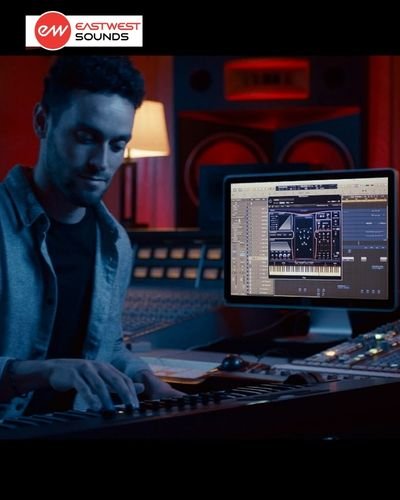
Explore Cinematic Production With Virtual Instruments
Film, television, games, trailers, and cinematic music often require a wide palette of sounds. A simple melody may need to become an emotional string arrangement, an intense brass section, dramatic percussion, atmospheric textures, or a powerful choir.
This is one area where Soundsonline has developed a particularly broad collection. Its Hollywood range includes orchestral sections, solo instruments, choirs, fantasy sounds, pianos, and cinematic tools designed for composers working across different media. The current Hollywood Collection brings together 27 products covering orchestral, choir, piano, fantasy, and cinematic instruments.
For someone working on a home setup, this type of collection can provide an extensive starting point for scoring. Instead of assembling an orchestra from unrelated libraries, composers can develop a more consistent template and learn how different sections interact.
Soundsonline also offers Hollywood Orchestrator, which is designed to help composers create arrangements from selected instruments and presets. The OPUS engine handles the instrument environment, allowing users to work with detailed orchestral sounds while developing arrangements more efficiently.
This does not mean the software should replace musical knowledge. Instead, tools like these can reduce some of the technical barriers between an idea and a finished arrangement. You can experiment with combinations, modify presets, and then refine the result according to the needs of the composition.
For independent composers, that flexibility can be especially valuable when working under deadlines or developing ideas quickly.
Add Modern Production Tools as Your Style Develops
A professional studio does not have to be limited to traditional instruments. Modern producers often move between genres and combine acoustic recordings with electronic textures, processed sounds, programmed drums, and vintage-inspired synthesizers.
Soundsonline’s current catalog includes modern production collections such as ICONIC, LO-FI, String Machine, Forbidden Planet, DrumX, and other instruments designed to move beyond traditional orchestral production. ICONIC, for example, draws inspiration from classic synthesizers including the ARP 2600, Minimoog Model D, Oberheim OB-X, Yamaha CS-80, Prophet 5, and Synclavier II.
These kinds of instruments can be useful when you want to give a production a recognizable personality. A soundtrack may need an unusual electronic layer behind an orchestra, while a pop track might benefit from cinematic strings or unusual vocal textures.
Drums are another important part of many productions. Soundsonline currently features DrumX, as well as established collections such as ProDrummer and Stormdrum. These tools give producers different approaches to rhythm programming and cinematic percussion.
The key is to add modern tools gradually. If your current projects rarely require synthesizers, there is no reason to build an enormous synth collection immediately. Wait until you identify a sound you repeatedly need, then invest in the tool that fills that gap.
This approach keeps your studio organized while allowing your musical identity to develop naturally.
Consider a Subscription When You Need Variety
Buying individual virtual instruments can make sense when you know exactly what you need. However, producers who work across several genres may benefit from having access to a much broader collection while they experiment.
Soundsonline’s ComposerCloud+ currently provides access to more than 43,000 EastWest virtual instruments, including new additions, across different musical styles. The service offers monthly and annual plans, as well as a 14-day free trial according to the current offering.
This type of access can be useful for students, developing producers, composers, and creators who are still discovering their preferred sound. Instead of committing to multiple individual purchases immediately, you can explore a much wider selection and determine which instruments genuinely fit your workflow.
ComposerCloud+ also allows subscribers to search, audition, and download instruments through the OPUS environment. Once an instrument has been downloaded, it can be accessed locally rather than requiring you to stream every sound while working.
For musicians who frequently work on different types of projects, this flexibility can be valuable. One month you may be creating a cinematic cue, while the next project might involve electronic production, pop, rock, or a hybrid soundtrack.
Before choosing a subscription, however, consider your actual workload, computer storage, project requirements, and budget. A large library is most useful when you have the time and motivation to explore it.
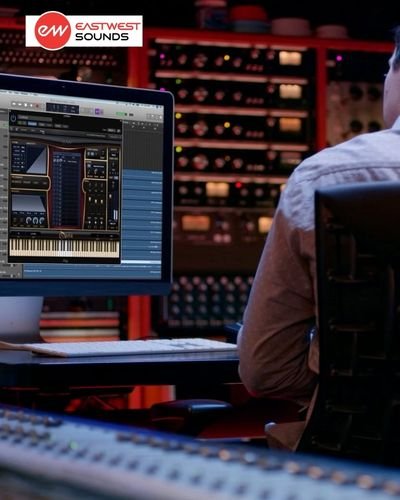
Turn Your Collection Into an Efficient Creative Workflow
Having excellent instruments is only one part of professional production. The real advantage comes from learning how to use them efficiently. A large collection can actually slow you down if every project begins with hundreds of choices.
Creating templates can help. If you regularly produce orchestral music, prepare tracks for strings, brass, woodwinds, percussion, piano, choir, and other frequently used sections. If you produce contemporary music, create a starting template containing your preferred drums, bass, keys, synthesizers, effects, and vocal tools.
Soundsonline’s OPUS engine is designed to bring EastWest instruments into a unified environment, with features for browsing and working with different libraries. Its current collections also support major DAW formats such as VST3, VST, AU, and AAX, while NKS hardware mapping is available for the Hollywood Collection.
Organization is just as important as sound selection. Give tracks clear names, use consistent routing, save useful presets, and keep your favorite instruments easy to find. These small habits can save significant time when deadlines become tight.
Most importantly, continue developing your musical skills alongside your technology. A sophisticated virtual instrument cannot replace arrangement, composition, mixing, and critical listening. The best results usually come when strong musical decisions are combined with tools that make those decisions easier to execute.
Soundsonline can provide an extensive sonic foundation, but your creativity remains the most important part of the production.
Whether you are writing your first soundtrack, producing independent music, creating game audio, or building a professional home studio, there is no need to purchase everything immediately. Start with the sounds that support your current projects, learn them thoroughly, and expand when your creative needs change.
With a thoughtful approach, a carefully organized virtual instrument collection can become more than a library of sounds. It can become the foundation of a personal production environment that grows alongside your skills, projects, and musical identity.