


A home can become crowded surprisingly quickly. Clothes that are no longer used, seasonal decorations, old furniture, childhood memories, hobby equipment, and boxes of belongings can gradually take over valuable space. The problem is not always that people own too much. Often, they simply do not have enough room to organise everything they want to keep.
Decluttering does not necessarily mean throwing away everything that is not used every day. Some possessions have sentimental value, seasonal importance, or practical uses that may only appear occasionally. The real challenge is finding a balance between enjoying an organised home and keeping the things that genuinely matter.
SpareFoot can be useful as part of that process by providing storage options for belongings that you want to keep but do not need to have around the house all the time. Combined with a thoughtful decluttering strategy, additional storage can help create a home that feels more spacious without forcing difficult decisions.
Start Small Instead of Trying to Do Everything
One of the biggest mistakes people make when decluttering is attempting to organise the entire home in a single weekend. Looking at every room, cupboard, drawer, and storage area at once can quickly become overwhelming. A more practical approach is to begin with one small, clearly defined area.
Start with something manageable, such as a wardrobe shelf, kitchen drawer, hallway cupboard, or bathroom cabinet. Once that area is finished, the visible improvement can provide motivation to continue. SpareFoot’s own decluttering guidance recommends taking small steps rather than attempting the entire home at once.
As you work through each space, separate belongings into simple categories such as keep, donate, sell, recycle, discard, and undecided. The undecided category is particularly useful for sentimental possessions because it prevents you from making rushed decisions.
The goal is not to create an empty home. It is to make your existing space easier to use and ensure that the belongings around you have a clear purpose or place.
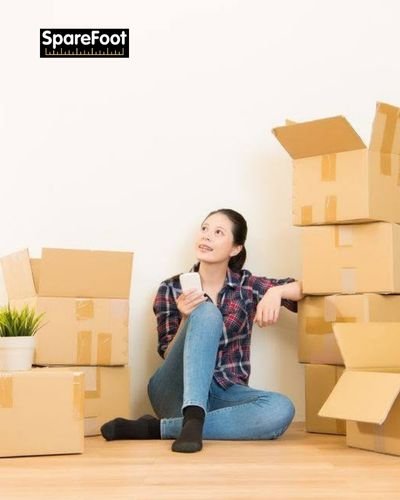
Decide What Deserves Space in Your Home
Not everything you own needs to occupy prime space. One useful way to organise your possessions is to think about how frequently you use them. Everyday essentials should remain easy to reach, while seasonal or occasional items can be placed in less accessible areas.
For example, winter coats may not need to occupy the front of your wardrobe during summer. Holiday decorations do not need to take up valuable living-room storage throughout the year. Camping equipment, sports gear, travel accessories, and special-event clothing may also be used only occasionally.
This is where external storage can become a practical extension of your home. Instead of getting rid of possessions that you genuinely want to keep, you can move infrequently used items somewhere else and free up the rooms you use every day. SpareFoot’s storage guidance highlights seasonal belongings, downsizing, moving, renovations, and simply creating more room as common reasons people choose self-storage.
The key is to be selective. Storage should help you organise your possessions, not become a place where everything unwanted disappears. Keep items because they have a clear purpose, meaningful value, or realistic future use.
Create a Better System for Seasonal Belongings
Seasonal items are among the easiest things to organise because you already know when you will need them. Instead of allowing them to occupy valuable everyday storage, create dedicated categories for summer, winter, holidays, travel, sports, or other seasonal activities.
Use clearly labelled containers so you can identify what is inside without opening every box. A simple numbering system can also make larger collections easier to track. SpareFoot recommends maintaining a master list and even using photographs to create a visual inventory of stored boxes.
When storing clothing, decorations, sports equipment, or other seasonal possessions, consider the condition of each item before putting it away. Clean and dry belongings before packing them, and choose suitable containers for long-term storage.
You can then rotate your belongings throughout the year. Summer equipment can be brought back when the weather changes, while winter possessions can be moved out of the way. This simple cycle can make a home feel considerably less crowded.
Protect Sentimental Items Without Creating Clutter
Decluttering becomes much harder when belongings have emotional value. Old photographs, childhood toys, family documents, gifts, books, clothing, and inherited possessions can carry memories that make them difficult to discard.
You do not need to choose between keeping every sentimental item at home and getting rid of everything. Instead, consider creating a dedicated memory collection. Select the possessions that genuinely represent important moments and organise them carefully.
For larger collections, off-site storage can provide additional breathing room. This can be particularly useful for families who want to preserve belongings for children, students moving between homes, or people downsizing to a smaller property.
However, sentimental storage should still have boundaries. If you keep every object simply because it reminds you of something, the collection can become difficult to manage. Ask yourself whether the item itself is meaningful or whether the memory could be preserved through a photograph, digital record, or smaller keepsake.
The objective is to protect meaningful possessions while allowing your everyday living space to remain comfortable and functional.
Organise Your Storage So You Can Actually Use It
Putting everything into storage is only half the job. If boxes are stacked randomly, you may eventually forget where anything is located. Good organisation makes the difference between useful storage and a pile of belongings that you never want to deal with again.
Label every box clearly and keep similar categories together. Create pathways so you can reach items at the back without removing everything in front. Frequently needed possessions should be positioned closer to the entrance, while rarely used items can go further back.
SpareFoot recommends placing heavier boxes lower, keeping smaller and fragile items higher, and leaving clear paths through the unit. Shelving and plastic containers can also make long-term organisation easier.
Create a simple inventory on your phone or computer. You could list the box number, category, and general contents. Taking a photograph of each packed container can make finding something later even easier.
This approach turns storage into a system rather than a temporary dumping ground. When everything has a known location, retrieving something becomes much less frustrating.
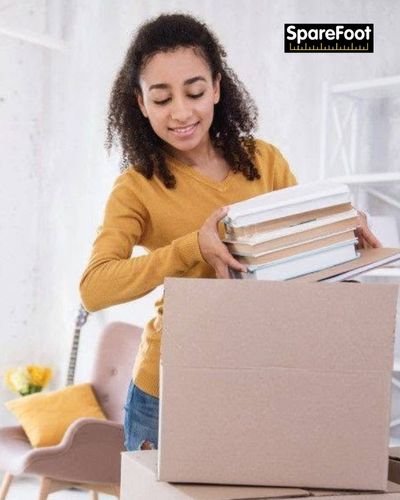
Make Decluttering a Habit Instead of a One-Time Project
A clutter-free home is easier to maintain when organisation becomes part of everyday life. You do not need to spend an entire day decluttering every few months. Small habits can prevent belongings from gradually taking over again.
Try reviewing one drawer, shelf, or cupboard each week. When something new comes into your home, consider whether an older item should leave. Seasonal changes are also useful opportunities to review clothing, decorations, equipment, and household possessions.
If your home becomes crowded despite regular organisation, consider whether certain items genuinely need to remain in your living space. A storage unit can provide flexibility during life changes, renovations, downsizing, or periods when you simply need additional room. SpareFoot allows users to compare storage facilities based on factors such as location, price, size, amenities, reviews, and availability.
The most successful approach to decluttering is not about owning as little as possible. It is about creating a home where the things you use and love can be enjoyed without being buried underneath everything else.
With a combination of small decluttering sessions, smart organisation, seasonal rotation, and practical storage, you can create more breathing room without saying goodbye to possessions that genuinely matter. SpareFoot can make the storage part of that process easier, giving you another option when your home simply does not have enough space for everything you want to keep.