


Rethink the Way You Drink Water Every Day
Hydration is one of the simplest parts of everyday life, but the way we get our drinking water can have a surprisingly large impact on our routines. Buying bottled water whenever you leave home may seem convenient, yet relying on disposable bottles can create unnecessary waste and make staying hydrated more expensive over time.
A reusable bottle offers a much simpler approach. Instead of buying another bottle whenever you are thirsty, you can carry water with you and refill it throughout the day. Adding filtration can make the routine even more practical when you want an alternative to carrying or purchasing bottled water.
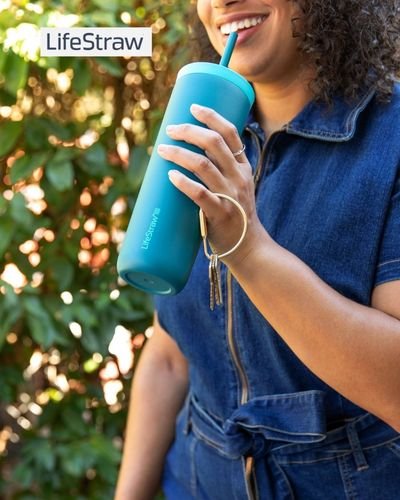
LifeStraw has developed products for everyday hydration that combine reusable designs with water filtration. Its current range includes bottles, tumblers, pitchers, dispensers, and replacement filters for different situations.
The idea is not to make hydration complicated. In fact, the best routine is usually the one that requires very little thought. Keep your bottle somewhere visible, take it with you when leaving home, and make refilling part of your normal day.
Once these habits become automatic, drinking water can become easier while also reducing your dependence on single-use options.
Choose a Reusable Bottle That Fits Your Lifestyle
The most sustainable bottle is often the one you will actually use consistently. A bottle that is too heavy, difficult to clean, uncomfortable to carry, or inconvenient to refill may eventually end up unused in a cupboard.
Think about where you normally drink water. Someone who spends most of the day at a desk may prefer a different format from someone who commutes, travels frequently, exercises outdoors, or spends weekends hiking.
LifeStraw’s current travel collection includes insulated stainless steel bottles, BPA-free filter bottles, reusable steel straws, collapsible squeeze bottles, and replacement filters. The Go Series also includes several bottle formats designed for travel, outdoor activities, and everyday hydration.
Size is another important consideration. A larger bottle can reduce the number of refills you need, while a smaller model may fit more easily into a backpack or everyday bag. If you regularly travel, portability may matter more than maximum capacity.
The right bottle should fit naturally into your existing routine. When carrying it is convenient, you are much more likely to remember it every day.

Make Filtered Water Part of Your Daily Routine
A reusable bottle solves the problem of carrying water, but filtration can add another layer of convenience depending on the product and water source. Instead of treating filtered water as something reserved for outdoor adventures, you can incorporate it into ordinary activities.
At home, a pitcher or dispenser can provide filtered water for drinking and refilling reusable bottles. LifeStraw’s home collection includes pitchers and dispensers alongside replacement filters, giving households options for creating a regular filtered-water routine.
For people who are frequently away from home, a filter bottle can combine storage and filtration in one product. This can be useful when travelling, exploring outdoors, or simply moving around during a busy day.
LifeStraw’s filtration technologies vary by product, so it is important to understand exactly what a particular model is designed to reduce or remove. The company states that different products address contaminants such as bacteria, parasites and microplastics, while selected models provide additional filtration capabilities.
This is why choosing based on your actual needs is more useful than simply choosing the most advanced-looking product. Read the product specifications, understand its intended use, and follow the manufacturer’s care instructions.
Reduce Single-Use Plastic Without Making Life Difficult
Sustainable habits tend to work best when they are convenient. If reducing plastic requires carrying too many things or constantly changing your routine, it can become difficult to maintain.
A reusable filtered bottle can make the transition easier because one item can become part of several different activities. You can take it to work, keep it in your gym bag, bring it on a day trip, or use it while travelling.
LifeStraw says its environmental responsibility efforts include designing products from sustainable materials, offering alternatives to more wasteful single-use options, and working to improve packaging recyclability and compostability. The company is also Climate Label Certified and reports measuring its carbon footprint.
Of course, switching to a reusable bottle does not mean that every disposable bottle can immediately disappear from your life. There will always be situations where different choices are necessary. The goal is simply to make reusable hydration the default whenever it is practical.
Small changes can become meaningful when they are repeated. Carrying one bottle every day may seem insignificant, but replacing frequent disposable purchases with a reusable alternative can gradually change your overall consumption habits.
Take Care of Your Bottle and Filter
A reusable product only remains useful when it is properly maintained. Cleaning your bottle regularly helps keep your hydration routine pleasant, while replacing filters at the appropriate time helps ensure the product continues to perform as intended.
Make cleaning part of your normal schedule rather than something you remember only when the bottle begins to smell or taste different. Pay attention to the manufacturer’s recommendations for washing individual components, especially when your bottle contains a filtration system.
Filter replacement is equally important. LifeStraw offers replacement filters for many of its products, and some home products can be paired with replacement options or subscription services.
It is also useful to keep track of how often you use the product. Someone who drinks filtered water several times every day may reach a filter’s replacement point differently from someone who uses the bottle occasionally.
Do not forget the bottle itself. Inspect seals, lids, straws, and other removable components from time to time. If something becomes damaged or stops working properly, check whether a replacement part is available rather than immediately replacing the entire product.
Good maintenance extends the useful life of your everyday hydration equipment and helps prevent small problems from interrupting your routine.
Turn Everyday Choices Into Meaningful Impact
Sustainable hydration is not only about reducing waste. It can also be an opportunity to support companies and initiatives that connect everyday products with broader social goals.
LifeStraw’s Give Back program is built around this idea. The company states that for every LifeStraw product sold, a child in need receives access to safe drinking water for a year. Its program also includes longer-term support, education, training, and follow-up rather than simply distributing products and leaving communities without ongoing assistance.
According to LifeStraw’s reported figures, the Give Back program had reached more than 14 million children and supported nearly 4,800 schools by the end of 2025.
This gives everyday purchases another dimension. Instead of thinking only about the bottle you carry or the water you drink, you can also consider the wider purpose behind the product.
The most useful approach is still to keep things simple. Choose a reusable product that fits your lifestyle, understand how its filtration system works, maintain it properly, and make carrying it part of your daily routine.
LifeStraw offers solutions ranging from home pitchers and dispensers to portable bottles and outdoor filtration systems, allowing users to build a hydration setup around the way they actually live.
Creating a more sustainable hydration routine does not require a dramatic lifestyle change. It can begin with one simple decision: carry reusable water with you instead of automatically reaching for another disposable bottle.
From there, small habits can build on one another. Refill your bottle before leaving home. Keep it beside you while working. Take it when travelling. Replace filters when necessary. Look after the equipment so it lasts.
The result is a routine that is practical, reusable, and easier to maintain over time. With the right approach, everyday hydration can become not only more convenient but also a more thoughtful choice for your household and the wider environment.