
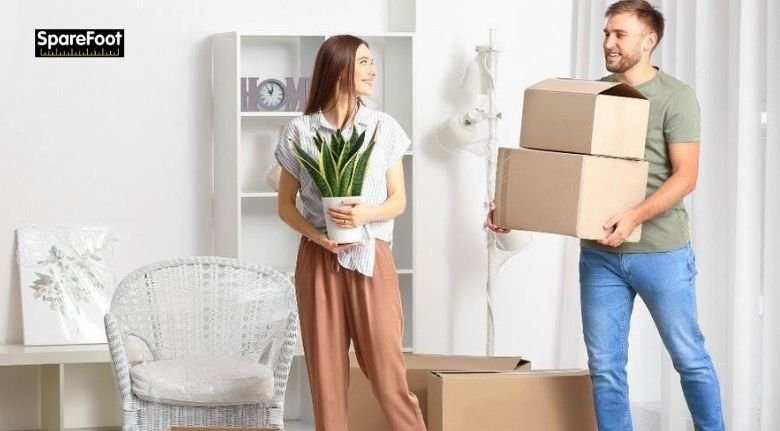

Moving to a new home, renovating a property, downsizing, or simply trying to regain control over a crowded space can create one surprisingly difficult question: where should everything go? Not every household has enough room to keep furniture, seasonal belongings, boxes, vehicles, or business equipment while life is in transition. Renting a storage unit can provide the extra space needed without forcing you to make rushed decisions about what to keep or discard.
Finding the right storage space, however, is about more than choosing the cheapest unit nearby. You need to think about size, location, access, security, climate control, rental terms, and the type of belongings you plan to store. SpareFoot simplifies this process by bringing storage options together in one online marketplace, allowing users to compare facilities and available units based on their individual requirements.
Begin by Understanding What You Need to Store
Before searching for a storage unit, make a realistic inventory of the belongings you want to put away. Start with large items such as sofas, beds, wardrobes, appliances, bicycles, and boxes, then consider smaller possessions that may fill the remaining space. Creating a list gives you a clearer idea of how much room you actually require and can prevent you from paying for space you never use.
Storage units come in several sizes, ranging from compact spaces suitable for boxes and personal belongings to much larger units capable of holding the contents of an entire home. SpareFoot’s size guidance categorises smaller units as roughly 25 to 75 square feet, medium options as 75 to 200 square feet, and large units as 200 to 300 square feet.
Think about how often you will need to access your belongings as well. If you are storing items for a short move and expect to retrieve boxes regularly, organising everything in a logical way becomes particularly important. If the unit will mainly hold seasonal possessions that you rarely use, your priorities may be different.
Compare Unit Sizes Before Choosing a Facility
Choosing the right size is one of the easiest ways to manage your storage budget. A unit that is too small can make your belongings difficult to organise and may force you to rent additional space. On the other hand, choosing a much larger unit than necessary means paying for unused square footage every month.
A useful approach is to group your possessions according to size and frequency of use. Place large furniture together, estimate how many boxes you have, and consider whether appliances or other bulky items need to be stored. You can then compare your estimated requirements with available unit dimensions.
SpareFoot allows shoppers to filter storage options according to location, price, size, and amenities, making it easier to narrow down choices instead of contacting facilities one by one. This comparison approach is especially useful when several facilities are available within a convenient distance.
Remember to leave enough room to move inside the unit. Packing everything tightly may seem efficient, but it can make retrieving an item frustrating later. A little planning around walkways and access can make a smaller unit considerably more practical.
Choose Amenities Based on Your Belongings
Not every item requires the same storage environment. Everyday furniture and sealed boxes may be perfectly suited to a standard unit, while sensitive possessions can benefit from additional protection. Before booking, consider whether your belongings could be affected by temperature or humidity changes.
Climate-controlled storage can be worth considering for items such as electronics, important documents, artwork, wooden furniture, photographs, musical instruments, and other possessions that may be sensitive to environmental conditions. You may also want to compare facilities offering features such as indoor storage, drive-up access, security measures, or extended access hours.
Convenience matters too. A drive-up unit can make moving heavy boxes and furniture considerably easier because you can bring your vehicle closer to the storage space. If you expect frequent visits, choosing a facility that is close to home or work can save time and transportation costs.
SpareFoot’s comparison tools make it possible to search using different amenities and preferences, helping users focus on facilities that better match their individual circumstances.
Make Storage Work During a Move or Renovation
Storage can be particularly useful when your normal living situation is temporarily disrupted. During a house move, for example, you may have a gap between leaving one property and moving into another. A storage unit can give you somewhere to keep furniture and boxes while you manage the transition.
Renovations create another common situation. Instead of leaving furniture exposed to dust, paint, construction materials, or accidental damage, homeowners can temporarily move possessions into storage. This can also give contractors more room to work and make the renovation area easier to organise.
Portable storage can provide another option when flexibility is important. Unlike traditional stationary units, portable containers can be delivered to a property, loaded at your convenience, and transported when needed. SpareFoot explains that portable storage containers can range from smaller options suitable for one or two rooms to larger containers capable of holding several rooms’ worth of belongings.
The best solution depends on your timeline, property layout, moving distance, and budget. Comparing traditional and portable options before making a decision can help you find an arrangement that fits the entire transition rather than just one part of it.
Consider Storage for Vehicles and Business Needs
Storage is not limited to household furniture and boxes. Many people need a secure place for vehicles that they cannot conveniently keep at home. This can include classic cars, spare vehicles, boats, RVs, trailers, and other large recreational equipment.
SpareFoot includes dedicated search options for car, RV, and boat storage, with facilities offering different arrangements such as indoor, outdoor, covered, uncovered, or enclosed spaces depending on location. When comparing vehicle storage, consider accessibility, weather protection, security, and whether the facility can accommodate the dimensions of your vehicle.
Businesses can also benefit from additional storage. Small companies may need somewhere to keep inventory, equipment, documents, seasonal merchandise, or supplies without committing to a larger commercial property. For a growing business, storage can provide useful flexibility while keeping operational costs under control.
Before choosing a unit for business purposes, check the facility’s rules regarding commercial storage, access, insurance, and prohibited items. The right unit can create valuable breathing room without requiring an expensive expansion of your primary workspace.

Compare Prices and Plan Your Storage Budget
Price is naturally an important part of the decision, but the lowest advertised monthly rate is not always the best overall value. Look beyond the headline price and check factors such as unit size, location, access, amenities, promotions, rental terms, and any additional charges that may apply.
SpareFoot’s marketplace is designed to make comparison shopping easier, with listings that can include pricing, availability, unit dimensions, amenities, customer reviews, and deals. The platform says reservations can be made online without a credit card and without an obligation to rent, although the final lease is completed with the storage facility.
It is also important to think about how long you realistically expect to need storage. Many storage leases are month-to-month, but individual facilities may have different promotional requirements or terms. If you are storing belongings during a short move, flexibility may be more valuable than a promotional rate that requires a longer commitment.
Finally, label your boxes clearly and create a basic inventory before moving everything in. Put frequently needed items where they are easy to reach and protect fragile possessions appropriately. A well-organised unit can save hours later.
With the right planning, storage does not have to become another stressful part of moving or managing a busy household. By identifying what you need to store, estimating the right size, comparing amenities, considering accessibility, and checking total costs, you can choose a solution that provides useful space without unnecessary expense.
SpareFoot makes the search process more convenient by bringing numerous storage choices into one place, allowing users to compare options before reserving a suitable unit. Whether you are moving across town, renovating your home, managing a growing business, or simply creating more space, a carefully chosen storage solution can make the entire process feel more organised and manageable.