

 By
For an online business, the customer experience does not end when someone clicks the “Place Order” button. The period between checkout and delivery can have a major impact on how customers view a brand. If an order is difficult to track, shipping costs are unclear, delivery choices are limited, or updates are missing, even a good shopping experience can become frustrating.
Shipping is therefore much more than a logistics task. It is an important part of the relationship between an online store and its customers. A well-organised delivery process can make customers feel informed, give them more confidence when ordering, and create a smoother experience after checkout.
Easyship is designed to help eCommerce businesses manage different parts of the shipping process through one platform. It allows sellers to compare courier services, generate shipping labels, automate workflows, provide tracking, manage returns and display shipping rates at checkout. The platform also supports international shipping and customs-related information.
For growing online stores, improving the delivery experience can therefore be a practical way to strengthen everyday operations while making the post-purchase journey easier for customers.
Make Shipping Costs Clear Before Customers Place an Order
Unexpected costs are one of the easiest ways to create frustration during online shopping. A customer may be happy with a product and ready to complete the purchase, only to discover additional delivery charges, taxes or duties at the final stage.
A transparent checkout experience helps customers understand what they are paying for before confirming an order. Instead of presenting limited information, businesses can provide delivery options with relevant costs and estimated delivery times.
Easyship offers real-time rates at checkout, allowing merchants to display available courier options and associated delivery costs during the purchasing process. Its platform also supports calculations related to taxes and duties for international shipments.
This can be particularly useful for businesses selling to customers in different regions. International shoppers may have different expectations regarding delivery speed, shipping prices and import charges. Giving them clearer information can make the checkout process easier to understand.
Businesses can also think about how shipping options are presented. Customers may not always want the cheapest option. Some may prefer faster delivery, while others may be willing to wait longer in exchange for a lower cost.
Providing multiple relevant choices gives customers more control over the delivery experience. It also allows the business to communicate shipping information more clearly instead of treating delivery as an unexpected additional step.

Give Customers More Control Over Delivery Options
Different customers have different delivery priorities. Someone buying a last-minute gift may want the fastest available service, while another shopper may prefer a lower-cost option.
For this reason, offering different shipping services can make an online store more flexible. Businesses can compare courier services based on price, delivery speed and service requirements before selecting an option for each order.
Easyship provides access to more than 550 courier services and allows merchants to compare available shipping options from a central platform. The system can also help identify suitable services based on factors such as cost and delivery speed.
This type of comparison can be useful when a store handles orders going to different destinations. A courier that works well for one location may not necessarily be the most suitable option for another.
Businesses can also create shipping rules based on their own requirements. For example, they may want certain types of orders to use a particular service or prioritise faster delivery for specific destinations.
The goal is not simply to offer as many delivery options as possible. It is to provide choices that are relevant and understandable.
A clear shipping strategy can help businesses avoid making every delivery decision manually. At the same time, customers can receive options that better match their individual needs.
Make Tracking Part of the Brand Experience
After placing an order, customers naturally want to know where their package is. Waiting without information can create uncertainty, especially when an order is being shipped internationally or travelling across several locations.
Tracking should therefore be treated as an important part of customer communication rather than an afterthought.
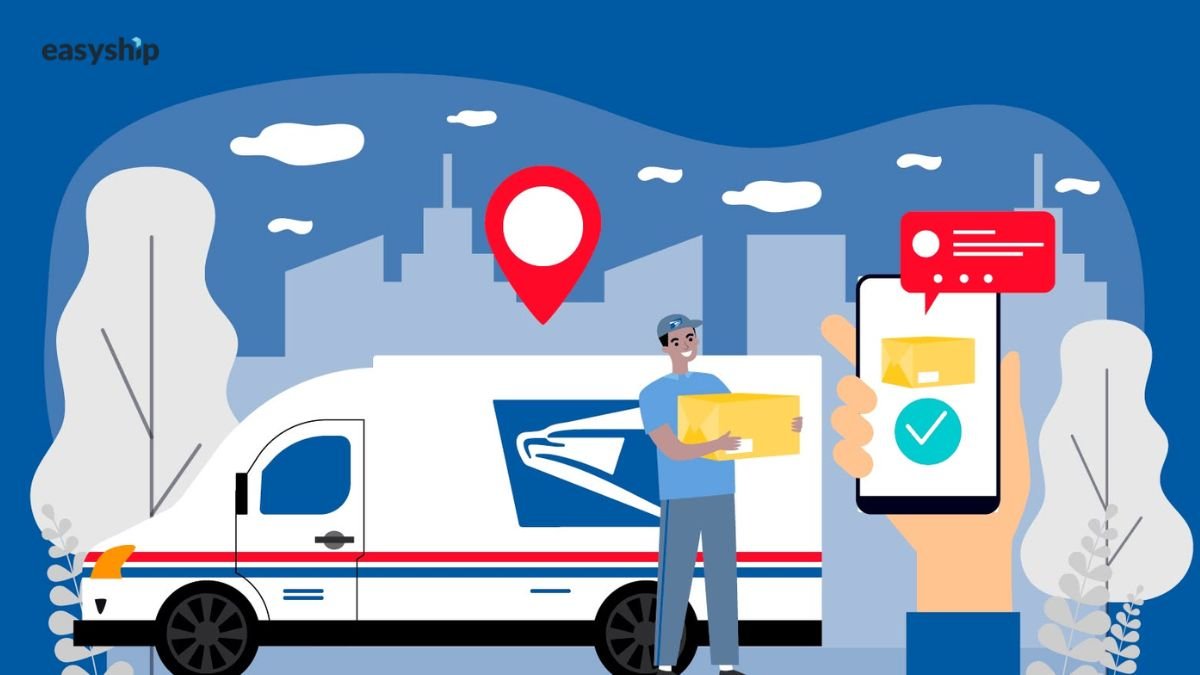
Easyship provides shipment tracking and branded tracking experiences, allowing businesses to maintain their identity beyond the checkout page. The platform can also send customer notifications with tracking information and provide updates throughout the delivery process.
Branded communication can make the post-purchase experience feel more connected to the store. Instead of sending customers through an unrelated or confusing process, businesses can continue communicating with them after the order has been shipped.
Regular updates can also reduce the need for customers to contact support simply to ask where their package is. When useful tracking information is already available, customers can check the progress of their delivery themselves.
This can be especially valuable for small businesses where customer service teams have limited time. Better tracking visibility can reduce repetitive questions and allow staff to focus on more complicated customer requests.
A delivery notification can also be an opportunity to maintain the relationship with the customer. Simple, clear communication can make the brand feel more organised and attentive.
Simplify Returns and Post-Purchase Support
The customer experience does not necessarily end when the package arrives. Sometimes a customer needs to exchange an item, return a product or report a delivery problem.
Returns can become complicated when the process is unclear. Customers may not know how to create a return label, where to send the product or what happens after the package is handed to the courier.
A well-designed return process should therefore be simple to understand. The business should provide clear instructions and make it easy for customers to know what happens at each stage.
Easyship includes return-label capabilities that can help businesses organise return shipments as part of their broader shipping workflow. The platform also provides shipment tracking and other tools for managing delivery operations.
For an online store, this can make returns easier to integrate into everyday shipping operations instead of treating them as completely separate tasks.
Businesses should also consider the language used when communicating about returns. Instructions should be short, clear and easy to follow. Customers should not have to search through several pages to understand the next step.
A smoother return process can also help protect the overall customer relationship. Even when a customer decides that a product is not right for them, an easy return experience can leave them with a more positive impression of the business.
The key is to think about the complete customer journey rather than focusing only on successful deliveries.
Automate Repetitive Shipping Tasks
As an online store grows, shipping can quickly become time-consuming. Managing individual orders, selecting couriers, creating labels, updating tracking information and organising returns manually can take considerable effort.
Automation can help reduce repetitive work while making the shipping process more consistent.
Easyship provides shipping rules and automation tools that can be used to create repeatable workflows. Businesses can configure rules for courier selection and other shipping decisions instead of manually handling every order. Batch shipping and label printing can also help speed up fulfilment.
For example, a business could create different shipping rules based on destination, package characteristics or preferred delivery services. Once those rules are established, the process can become more predictable.
Automation does not mean removing human involvement from shipping completely. Instead, it allows teams to spend less time on repetitive administrative tasks and more time on activities that require attention.
This becomes especially useful when order volumes increase. A process that works for twenty orders may become difficult to manage when a store is handling hundreds or thousands of shipments.
Centralising shipping activity in one dashboard can also make it easier to understand what has been shipped, what is waiting to be processed and which orders may need attention.
The result is a more organised workflow that can support growth without requiring every shipping task to be completed manually.

Use Delivery Data to Improve the Customer Journey
Improving shipping is not something that needs to happen only when a problem occurs. Businesses can also review their shipping performance over time and use what they learn to make better decisions.
Shipping data can reveal useful patterns. A store may discover that certain destinations regularly require faster services, that specific couriers perform better in particular regions or that some shipping methods create more customer questions than others.
Easyship provides tools for shipment management, analytics and reporting, giving businesses greater visibility into their shipping operations. Its platform can centralise order information, tracking and shipping activity so merchants can make more informed operational decisions.
Businesses can use this information to review their delivery strategy regularly. If one shipping method consistently creates delays, for example, it may be worth examining alternative services. If customers frequently ask about delivery costs, the checkout presentation may need to be clearer.
The same principle can apply to international shipping. Cross-border orders can involve additional taxes, duties and customs requirements. Understanding where difficulties occur can help businesses improve their processes before problems become more frequent.
Over time, these small improvements can create a more reliable customer journey.
A strong delivery experience is not built through one single feature. It comes from several connected elements: clear shipping costs, useful delivery choices, accurate tracking, straightforward returns, efficient fulfilment and ongoing analysis.
For online businesses, shipping is an extension of the brand. Customers may forget the exact details of the checkout process, but they are likely to remember whether their order arrived smoothly, whether they could track it easily and whether getting help was straightforward.
By organising these different parts of the delivery journey, businesses can create a more consistent experience from the moment an order is placed until it reaches the customer’s hands. With the right combination of technology, automation and clear communication, shipping can become a structured part of eCommerce growth rather than a daily source of unnecessary complexity.